

Conveyor Limit Switch
Conveyor limit switches provide physical position confirmation and travel-limit protection on conveyors, trippers, gates and related moving machinery.
Showing all 21 results


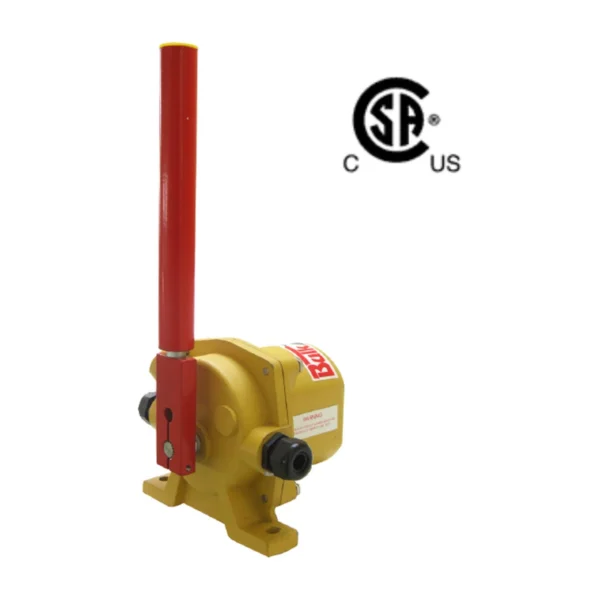


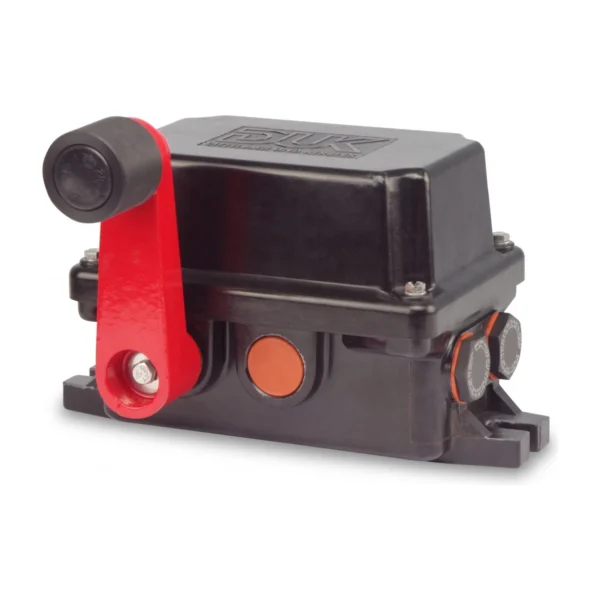


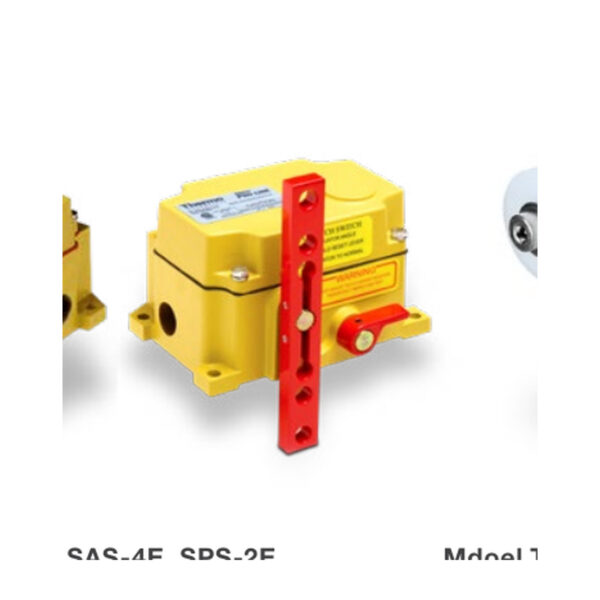


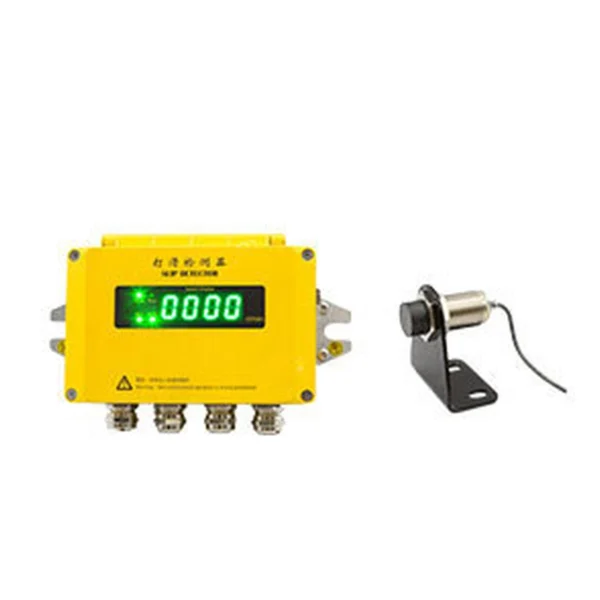
Conveyor limit switches provide physical position confirmation and travel-limit protection on conveyors, trippers, gates and related moving machinery.
What is a Conveyor Limit Switch?
A moving part contacts the lever, roller, rod or plunger, operating internal contacts at a defined position. The signal can indicate end of travel, sequence another action or initiate a stop before equipment exceeds its safe mechanical range.
Before comparing models, define normal operation and the abnormal state that must be detected. The selected mechanism, electrical output and diagnostic behavior should make that distinction repeatable across load, temperature and expected process variation.
Typical applications
Relevant installations include tripper cars, take-up systems, diverter gates, stackers and reclaimers. Actual operating observations are valuable: drawings rarely show wind, carryback, washdown, structural movement or the way bulk material strikes a device.
- tripper cars: verify the actual operating condition, mounting geometry and required response before selecting a model.
- take-up systems: verify the actual operating condition, mounting geometry and required response before selecting a model.
- diverter gates: verify the actual operating condition, mounting geometry and required response before selecting a model.
- stackers and reclaimers: verify the actual operating condition, mounting geometry and required response before selecting a model.
How to select the right model
Selection should include the failure modes the system must reveal. Consider open or shorted wiring, seized movement, lost target, buildup and loss of supply alongside the normal actuation condition.
Record the proposed mounting point, normal state, alarm or trip action and reset sequence before ordering. A clear cause-and-effect entry prevents different assumptions between mechanical, electrical and control teams.
- Confirm the contact arrangement, utilization category and control voltage.
- Match the enclosure and ingress rating to dust, water, washdown and corrosion exposure.
- Check ambient temperature, cable entry, mounting dimensions and actuator geometry.
- For hazardous areas, verify the complete certificate and marking for the exact model.
Installation and commissioning guidance
Align the actuator with the intended direction of approach and avoid side loading that the datasheet does not permit. Set overtravel so the machine stops before the switch reaches its mechanical limit.
Protect the unit from routine impact or burial unless it is designed for direct contact. After termination, inspect gaskets and cable entries and record the initial clearance, tension, setpoint or calibration as applicable.
Inspection and lifecycle care
Trend nuisance operations and slow or failed resets. Increasing event frequency often reveals a process, alignment, contamination or mounting problem before the device loses its function completely.
Use event history to refine inspection and spare plans. A recurring fault at one location may point to loading, vibration, heat or access issues that should be corrected at system level.
Specification, commissioning and lifecycle record
A dependable conveyor limit switch decision remains traceable from the operating requirement to the installed order code. Record the normal condition, abnormal trigger, required controller state, alarm or stop response, reset rule and inspection method before requesting quotations. This prevents commercial substitutions from changing the engineering function unnoticed.
Keep the approved datasheet, complete model suffix, terminal drawing, mounting sketch, certificates and commissioning result under the equipment tag. After replacement, adjustment, conveyor modification or control-software change, repeat the relevant physical proof test and update the as-built record. The test must demonstrate the field device, wiring, controller indication and final machine response rather than only a changing PLC input.
- Compare complete order codes and option suffixes.
- Confirm contact state under normal, actuated and fault conditions.
- Record the installed clearance, angle, tension, threshold or calibration.
- Inspect mounting, cable entries, seals, earthing and access.
- Set maintenance intervals from risk, environment, duty and failure history.
Frequently asked questions
What is the difference between a conveyor limit switch and a proximity sensor?
A limit switch requires physical actuation; a proximity sensor detects a target without contact. The preferred method depends on the environment, precision and failure behavior required.
Can a limit switch stop a motor directly?
Most units are control-circuit devices. Use the contact rating and control architecture specified by the machine designer rather than switching a motor load directly.
Selection note: verify dimensions, operating principle, electrical data, environmental rating and certifications on the current datasheet for the exact ordered model.
What is Conveyor Limit Switches
Conveyor systems are widely used in various industries, including manufacturing, logistics, and mining. Conveyor systems are made up of numerous components, including motors, belts, bearings, and rollers. One critical component in conveyor systems is the conveyor limit switch. This switch is designed to detect the presence or absence of objects on a conveyor belt and to trigger appropriate actions such as stopping the conveyor, diverting the product to another conveyor, or activating an alarm. In this article, we will discuss conveyor limit switches in detail, including their types, applications, and benefits.
Types of Conveyor Limit Switches
There are various types of conveyor limit switches available on the market. The most common types include:
- Roller limit switches: These switches consist of a roller lever that is actuated when a product or object passes over it. The lever then activates a switch to trigger the desired action.
- Belt alignment switches: These switches are used to detect belt misalignment or deviation. They consist of a sensing roller that is mounted on the conveyor frame and a switch that is triggered when the roller detects a deviation in the belt.
- Pull cord switches: These switches are used to detect emergency situations such as conveyor belt tearing or a product jam. They consist of a cord that is connected to a switch. When the cord is pulled, the switch is activated, and the conveyor is stopped.
- Proximity switches: These switches are used to detect the presence or absence of objects on the conveyor belt. They consist of a sensor that is triggered when an object comes within a certain distance of the sensor.
Applications
Conveyor limit switches are used in a wide range of applications, including:
- Material handling: Conveyor limit switches are used in material handling systems to detect the presence or absence of products on the conveyor belt. They can be used to activate an alarm or stop the conveyor if a product is missing or if there is a blockage.
- Mining: Conveyor limit switches are used in mining applications to detect the presence of coal, ore, or other materials on the conveyor belt. They can be used to trigger an alarm or stop the conveyor if there is a problem with the material.
- Food processing: Conveyor limit switches are used in food processing applications to detect the presence of food products on the conveyor belt. They can be used to trigger an alarm or stop the conveyor if there is a problem with the product.
Benefits of Conveyor Limit Switches
Conveyor limit switches offer several benefits, including:
- Increased safety: Conveyor limit switches help to improve safety in the workplace by detecting potential hazards such as product jams or belt misalignment. They can be used to trigger an alarm or stop the conveyor to prevent accidents.
- Increased efficiency: Conveyor limit switches help to improve efficiency by detecting problems with the conveyor system and triggering appropriate actions. This helps to minimize downtime and increase productivity.
- Improved product quality: Conveyor limit switches help to improve product quality by detecting missing or damaged products on the conveyor belt. This helps to prevent defective products from being shipped to customers.
Conveyor limit switches are critical components in conveyor systems. They help to improve safety, efficiency, and product quality. There are several types of conveyor limit switches available on the market, including roller limit switches, belt alignment switches, pull cord switches, and proximity switches. These switches are used in a wide range of applications, including material handling, mining, and food processing. By incorporating conveyor limit switches into conveyor systems, businesses can improve their operations and ensure a safe and reliable workplace.