

Heavy Duty Limit Switch
Heavy-duty limit switches provide reliable mechanical position detection in harsh industrial environments with impact, vibration, dust or outdoor exposure.
Showing 1–24 of 85 results
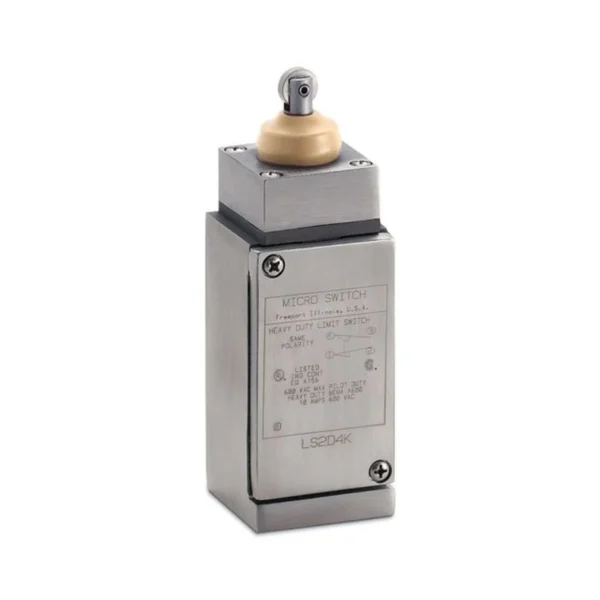
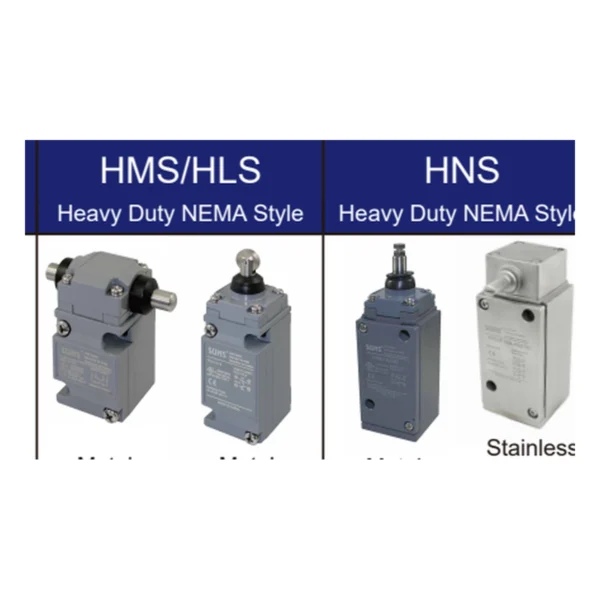


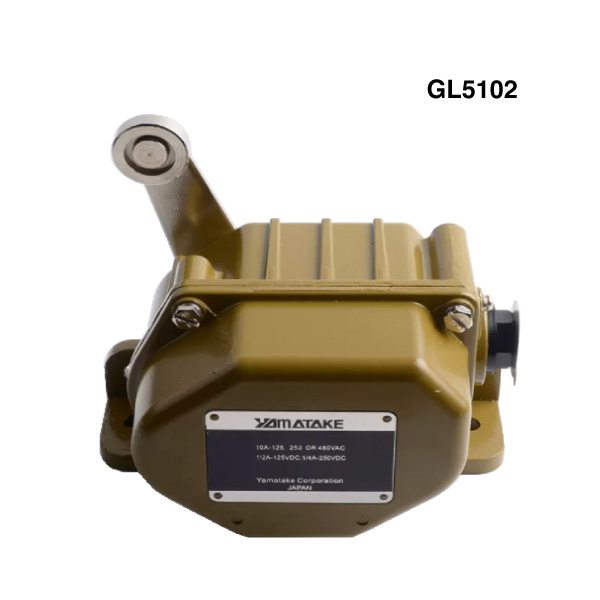


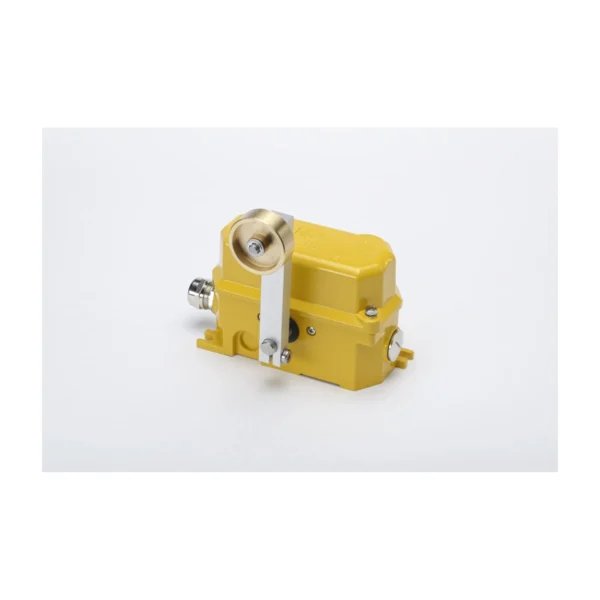
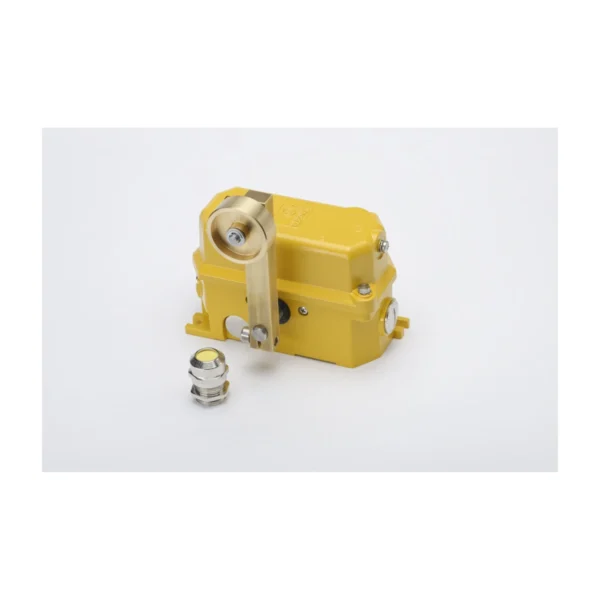
Heavy-duty limit switches provide reliable mechanical position detection in harsh industrial environments with impact, vibration, dust or outdoor exposure.
What is a Heavy Duty Limit Switch?
A reinforced actuator and enclosure operate industrial contact blocks when moving equipment reaches a defined position. Robust construction improves durability, but correct approach geometry and electrical application remain essential.
The field device is one element of a larger cause-and-effect chain. Reliable engineering aligns its sensing or actuation point with controller logic, conveyor response, reset rules and the machine risk assessment instead of relying on an enclosure that merely looks familiar.
Typical applications
Typical uses span stackers and reclaimers, trippers, cranes, steel and mining machinery. Record the process condition and consequence at every tag because the same product family may serve indication in one area and equipment protection in another.
- stackers and reclaimers: verify the actual operating condition, mounting geometry and required response before selecting a model.
- trippers: verify the actual operating condition, mounting geometry and required response before selecting a model.
- cranes: verify the actual operating condition, mounting geometry and required response before selecting a model.
- steel and mining machinery: verify the actual operating condition, mounting geometry and required response before selecting a model.
How to select the right model
Use a compliance table to compare candidates against the same requirements. Include operating principle, range or travel, contacts, enclosure, temperature, certification and proof-test method so commercial differences do not hide technical gaps.
Document response time, proof-test method and the person responsible for inspection. These lifecycle requirements often distinguish a maintainable solution from one that is difficult to verify in service.
- Confirm the contact arrangement, utilization category and control voltage.
- Match the enclosure and ingress rating to dust, water, washdown and corrosion exposure.
- Check ambient temperature, cable entry, mounting dimensions and actuator geometry.
- For hazardous areas, verify the complete certificate and marking for the exact model.
Installation and commissioning guidance
Use a rigid bracket and a target that engages the actuator progressively. Confirm permitted approach speed, operating force, overtravel and the ability of the machine to stop before the switch is damaged.
Protect the unit from routine impact or burial unless it is designed for direct contact. After termination, inspect gaskets and cable entries and record the initial clearance, tension, setpoint or calibration as applicable.
Inspection and lifecycle care
Visual checks should cover loose hardware, bent actuators, seized rollers, cable damage, cracked seals, corrosion and material buildup. Functional tests must prove the controller sees the correct state and produces the intended response.
Use event history to refine inspection and spare plans. A recurring fault at one location may point to loading, vibration, heat or access issues that should be corrected at system level.
Specification, commissioning and lifecycle record
A dependable heavy duty limit switch decision remains traceable from the operating requirement to the installed order code. Record the normal condition, abnormal trigger, required controller state, alarm or stop response, reset rule and inspection method before requesting quotations. This prevents commercial substitutions from changing the engineering function unnoticed.
Keep the approved datasheet, complete model suffix, terminal drawing, mounting sketch, certificates and commissioning result under the equipment tag. After replacement, adjustment, conveyor modification or control-software change, repeat the relevant physical proof test and update the as-built record. The test must demonstrate the field device, wiring, controller indication and final machine response rather than only a changing PLC input.
- Compare complete order codes and option suffixes.
- Confirm contact state under normal, actuated and fault conditions.
- Record the installed clearance, angle, tension, threshold or calibration.
- Inspect mounting, cable entries, seals, earthing and access.
- Set maintenance intervals from risk, environment, duty and failure history.
Frequently asked questions
What makes a limit switch heavy duty?
Typical features include robust metal housings, industrial actuators, higher mechanical endurance and sealing for severe environments; exact ratings vary by model.
Can a heavy-duty switch be used outdoors?
Only when its ingress, corrosion, temperature and UV-related installation requirements suit the outdoor location.
Selection note: verify dimensions, operating principle, electrical data, environmental rating and certifications on the current datasheet for the exact ordered model.