

Crane Limit Switch
Crane limit switches monitor end positions and movement limits to help prevent overtravel of hoists, trolleys, bridges and lifting machinery.
Showing 1–24 of 139 results

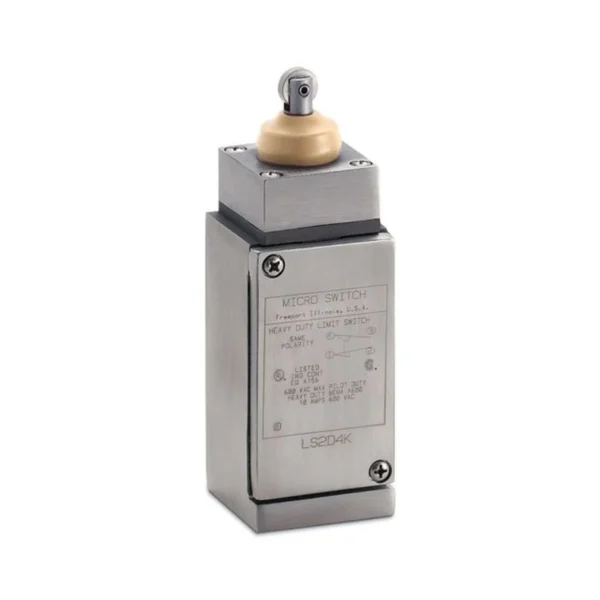


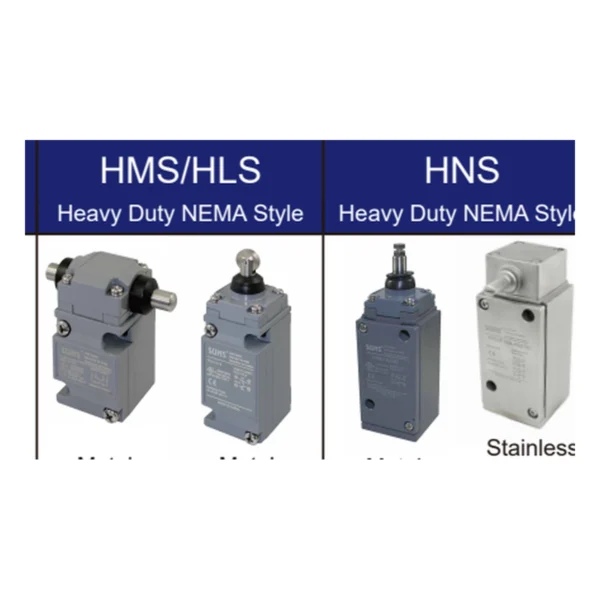


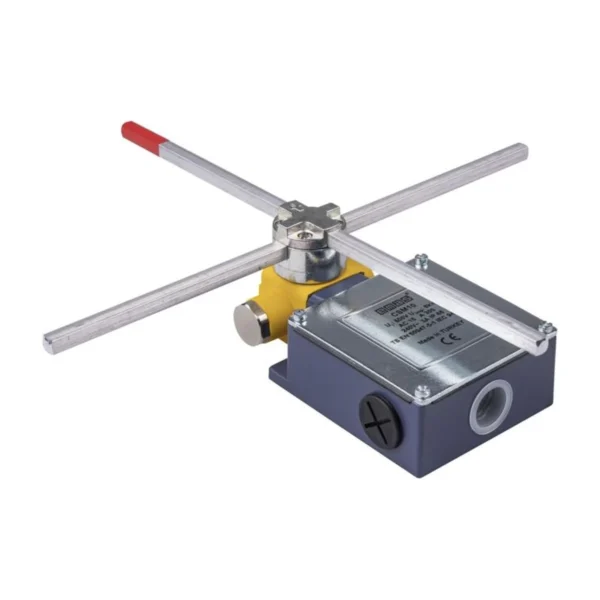


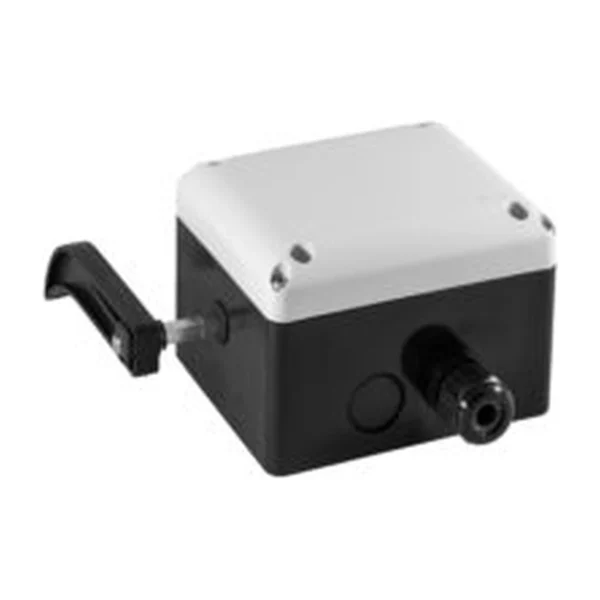

Crane limit switches monitor end positions and movement limits to help prevent overtravel of hoists, trolleys, bridges and lifting machinery.
What is a Crane Limit Switch?
Mechanical, rotary or cross-lever devices change contact state when the crane mechanism reaches a defined position. Their signals can command slowdown, stop motion in one direction or provide position confirmation within the crane control system.
Model suitability depends on the full duty: what changes physically, how quickly it develops, which output is required and what the machine must do next. Two similar housings may differ in contacts, travel, latching, materials or certificates.
Typical applications
Common duties include overhead bridge cranes, gantry cranes, hoists, port lifting equipment. Each location should be surveyed for material impact, buildup, access, vibration, temperature and exposure before the device and bracket are specified.
- overhead bridge cranes: verify the actual operating condition, mounting geometry and required response before selecting a model.
- gantry cranes: verify the actual operating condition, mounting geometry and required response before selecting a model.
- hoists: verify the actual operating condition, mounting geometry and required response before selecting a model.
- port lifting equipment: verify the actual operating condition, mounting geometry and required response before selecting a model.
How to select the right model
Begin with the required process or protective function, then work outward through mechanics, electrical characteristics and environment. Do not assume that products with similar dimensions are interchangeable; actuator movement and contact action can change the control result.
Create an equipment record containing the full model code, approved datasheet, terminal plan and selected settings. This makes quotations comparable and preserves the engineering basis for later replacement.
- Confirm the contact arrangement, utilization category and control voltage.
- Match the enclosure and ingress rating to dust, water, washdown and corrosion exposure.
- Check ambient temperature, cable entry, mounting dimensions and actuator geometry.
- For hazardous areas, verify the complete certificate and marking for the exact model.
Installation and commissioning guidance
Set the operating point with stopping distance, load, speed and brake response in mind. Prove the function first at reduced speed and without exposing personnel to the travel path.
Protect the unit from routine impact or burial unless it is designed for direct contact. After termination, inspect gaskets and cable entries and record the initial clearance, tension, setpoint or calibration as applicable.
Inspection and lifecycle care
Trend nuisance operations and slow or failed resets. Increasing event frequency often reveals a process, alignment, contamination or mounting problem before the device loses its function completely.
Repeated trips are evidence, not inconvenience. Examine the conveyor or process cause before changing delays, clearances or switching angles that may reduce the available protection margin.
Specification, commissioning and lifecycle record
A dependable crane limit switch decision remains traceable from the operating requirement to the installed order code. Record the normal condition, abnormal trigger, required controller state, alarm or stop response, reset rule and inspection method before requesting quotations. This prevents commercial substitutions from changing the engineering function unnoticed.
Keep the approved datasheet, complete model suffix, terminal drawing, mounting sketch, certificates and commissioning result under the equipment tag. After replacement, adjustment, conveyor modification or control-software change, repeat the relevant physical proof test and update the as-built record. The test must demonstrate the field device, wiring, controller indication and final machine response rather than only a changing PLC input.
- Compare complete order codes and option suffixes.
- Confirm contact state under normal, actuated and fault conditions.
- Record the installed clearance, angle, tension, threshold or calibration.
- Inspect mounting, cable entries, seals, earthing and access.
- Set maintenance intervals from risk, environment, duty and failure history.
Frequently asked questions
What movements need crane limit switches?
Typical functions include upper and lower hoist limits plus trolley and bridge travel limits, but the machine design and applicable standard define the required devices.
Why are positive-opening contacts important?
They mechanically force an NC contact open under specified conditions, a useful characteristic in safety-related control circuits when correctly applied.
Selection note: verify dimensions, operating principle, electrical data, environmental rating and certifications on the current datasheet for the exact ordered model.
Limit switches are vital components of machinery and industrial systems. They are responsible for monitoring the position, speed, and motion of mechanical equipment. Limit switches are essential in ensuring the safe and efficient operation of machinery. Crane limit switch, in particular, are designed to prevent over-travel and overloading of cranes. In this article, we will take a closer look at crane limit switches, their function, types, and applications.
What are Crane Limit Switches?
Crane limit switch is a device that is used to control and limit the motion of cranes and hoists. The switch is usually located at the end of the crane's travel path, where it comes into contact with the crane's trolley or boom. When the crane reaches the limit of its travel, the switch is activated, and the crane's motion is automatically stopped. Crane limit switch are designed to prevent the crane from over-traveling and causing damage to the crane or the load it is carrying.
Types of Crane Limit Switch
There are two main types of crane limit switch: lever-type and rotary-type switches.
- Lever-type switches: Lever-type crane limit switch consist of a lever arm that is attached to the switch housing. The switch is activated when the lever arm is moved by the crane's trolley or boom. Lever-type switches are typically used in applications where the crane's travel path is relatively short.
- Rotary-type switches: Rotary-type crane limit switches consist of a cam that is attached to the switch housing. The switch is activated when the cam is rotated by the crane's trolley or boom. Rotary-type switches are typically used in applications where the crane's travel path is longer.
Applications of Crane Limit Switches
Crane limit switch are used in a variety of applications, including:
- Overhead Cranes: Overhead cranes are used in industrial applications to move heavy loads. Crane limit switches are used to ensure that the crane does not over-travel and damage the crane or the load it is carrying.
- Gantry Cranes: Gantry cranes are similar to overhead cranes, but they are supported on rails or wheels. Position limit switches are used to ensure that the crane does not travel outside of its designated path.
- Jib Cranes: Jib cranes are used in smaller industrial applications to move loads horizontally. Position switch are used to ensure that the crane does not over-travel and collide with other equipment or structures.
Crane limit switch are essential components of industrial machinery and equipment. They are designed to ensure the safe and efficient operation of cranes and hoists. Limit switches are available in different types, including lever-type and rotary-type switches. The type of switch used depends on the application and the length of the crane's travel path. Position limit switch are used in a variety of applications, including overhead cranes, gantry cranes, and jib cranes. Proper maintenance and regular inspection of crane limit switches are essential to ensure their continued operation and prevent accidents.