

EX Conveyor Belt Switch
EX conveyor belt switches are certified variants intended for conveyor control or protection in specified potentially explosive gas or dust atmospheres.
Showing all 23 results
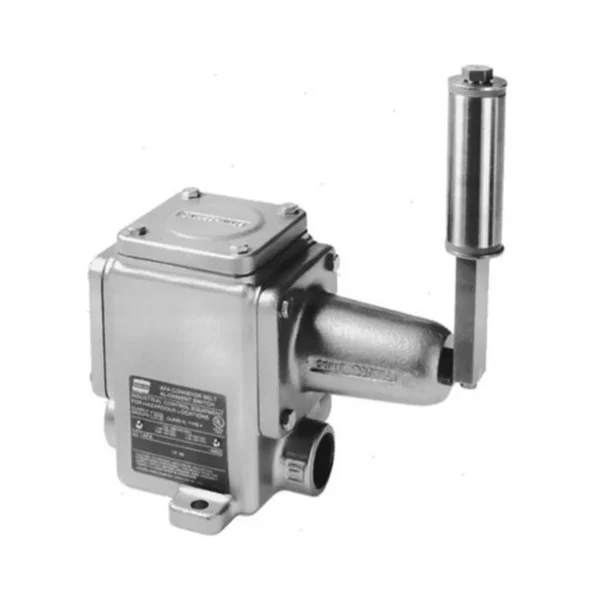
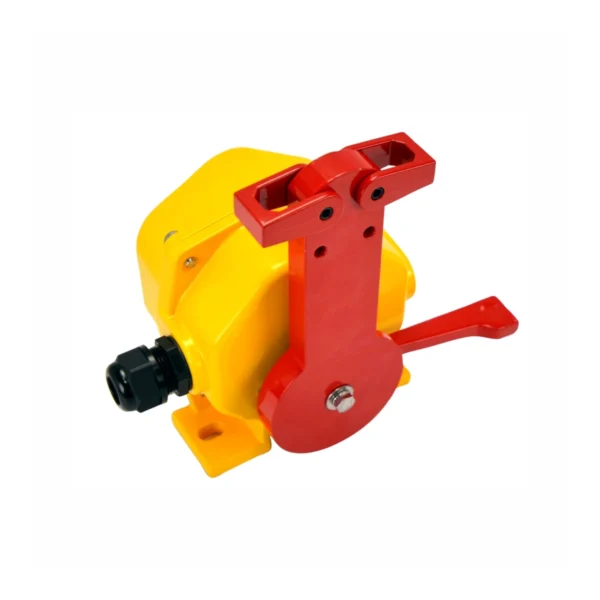

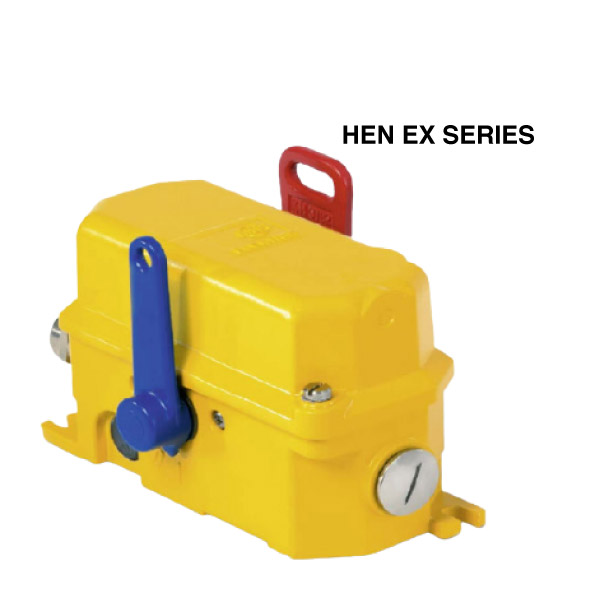


EX conveyor belt switches are certified variants intended for conveyor control or protection in specified potentially explosive gas or dust atmospheres.
What is a EX Conveyor Belt Switch?
The functional principle may be misalignment, pull-rope, position or speed detection, while the enclosure and internal design control ignition risks under a defined protection concept. Suitability is established by the exact certification marking, not by appearance.
The field device is one element of a larger cause-and-effect chain. Reliable engineering aligns its sensing or actuation point with controller logic, conveyor response, reset rules and the machine risk assessment instead of relying on an enclosure that merely looks familiar.
Typical applications
This product type is frequently considered for grain handling, coal preparation, chemical plants, dusty bulk terminals. Selection should reflect both the intended signal and the practical ability to inspect, test and replace the installed unit safely.
- grain handling: verify the actual operating condition, mounting geometry and required response before selecting a model.
- coal preparation: verify the actual operating condition, mounting geometry and required response before selecting a model.
- chemical plants: verify the actual operating condition, mounting geometry and required response before selecting a model.
- dusty bulk terminals: verify the actual operating condition, mounting geometry and required response before selecting a model.
How to select the right model
Selection should include the failure modes the system must reveal. Consider open or shorted wiring, seized movement, lost target, buildup and loss of supply alongside the normal actuation condition.
Include spare strategy and obsolescence handling in the selection. A physically compatible spare is only useful when its contacts, settings, materials and approvals also reproduce the required function.
- Confirm the contact arrangement, utilization category and control voltage.
- Match the enclosure and ingress rating to dust, water, washdown and corrosion exposure.
- Check ambient temperature, cable entry, mounting dimensions and actuator geometry.
- For hazardous areas, verify the complete certificate and marking for the exact model.
Installation and commissioning guidance
Confirm the zone or division, gas or dust group, equipment protection level, temperature class or maximum surface temperature, ambient range and cable-entry system. Preserve every condition listed on the certificate.
Carry out a controlled acceptance test under the manufacturer’s method. Confirm that reset restores readiness without an unintended start and that any startup bypass expires predictably.
Inspection and lifecycle care
After replacement or adjustment, repeat the relevant acceptance test and update the as-built record. A closed work order should identify the failure cause, not only the part that was changed.
Repeated trips are evidence, not inconvenience. Examine the conveyor or process cause before changing delays, clearances or switching angles that may reduce the available protection margin.
Specification, commissioning and lifecycle record
A dependable explosion proof conveyor belt switch decision remains traceable from the operating requirement to the installed order code. Record the normal condition, abnormal trigger, required controller state, alarm or stop response, reset rule and inspection method before requesting quotations. This prevents commercial substitutions from changing the engineering function unnoticed.
Keep the approved datasheet, complete model suffix, terminal drawing, mounting sketch, certificates and commissioning result under the equipment tag. After replacement, adjustment, conveyor modification or control-software change, repeat the relevant physical proof test and update the as-built record. The test must demonstrate the field device, wiring, controller indication and final machine response rather than only a changing PLC input.
- Compare complete order codes and option suffixes.
- Confirm contact state under normal, actuated and fault conditions.
- Record the installed clearance, angle, tension, threshold or calibration.
- Inspect mounting, cable entries, seals, earthing and access.
- Set maintenance intervals from risk, environment, duty and failure history.
Frequently asked questions
Does an IP rating make a switch explosion proof?
No. Ingress protection addresses entry of solids and water. Hazardous-area use requires the appropriate certification and complete marking.
Can any cable gland be used?
No. The gland, stopping plugs, cable and installation method must comply with the protection concept and certificate conditions.
Selection note: verify dimensions, operating principle, electrical data, environmental rating and certifications on the current datasheet for the exact ordered model.