

Belt Weigher System
Description of weighing on a moving conveyor belt;
Flexibility is required to measure continuous, different material streams. This is a requirement which CBS conveyor belt scales meet extremely well.
Showing all 9 results
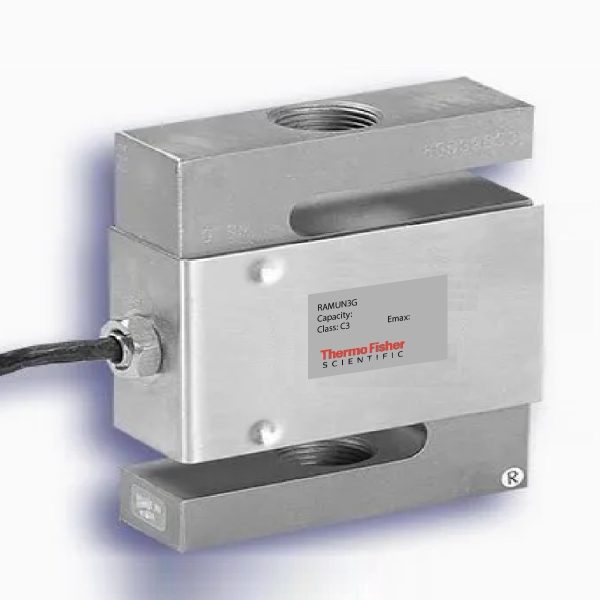
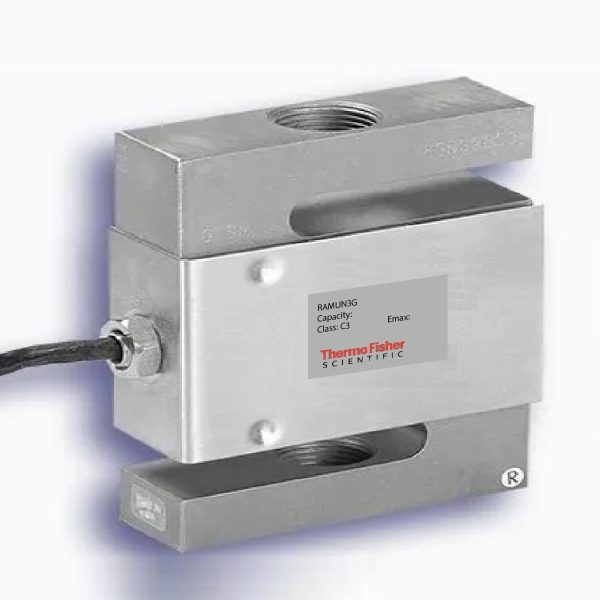

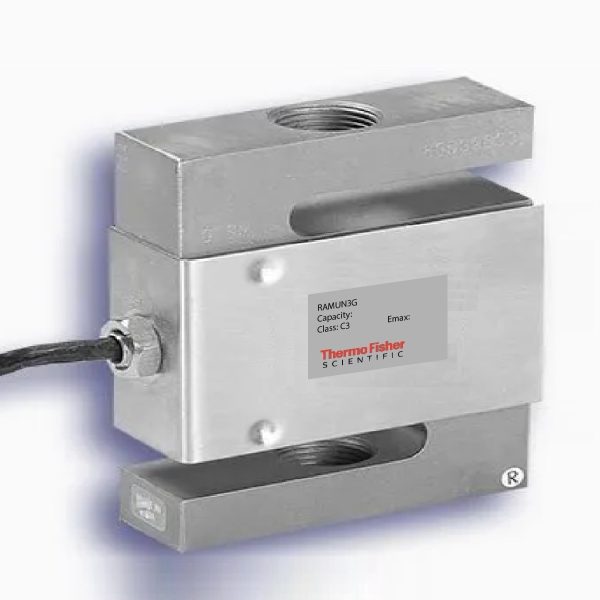
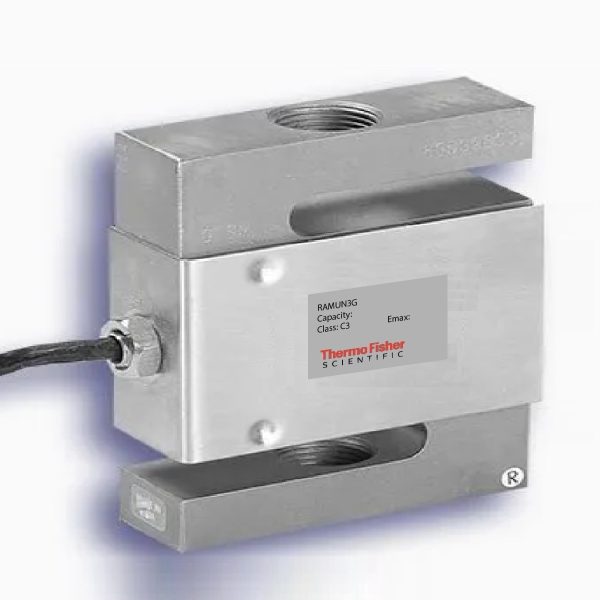
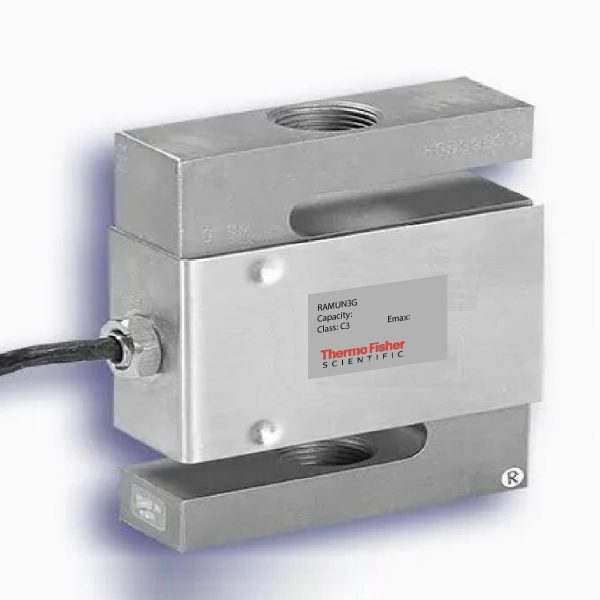
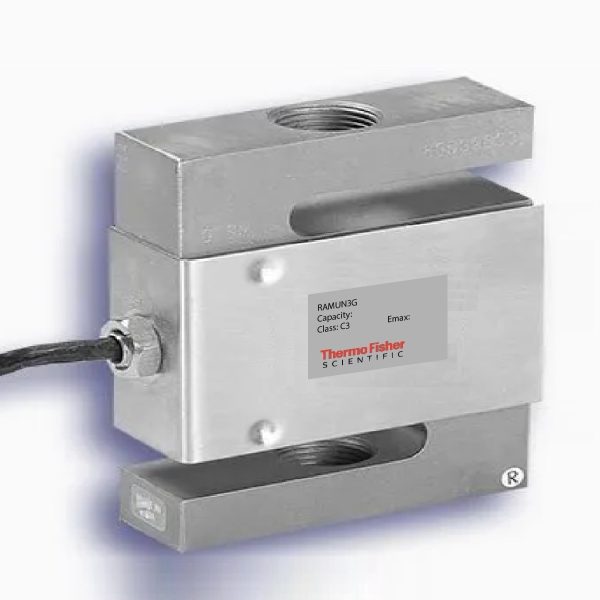
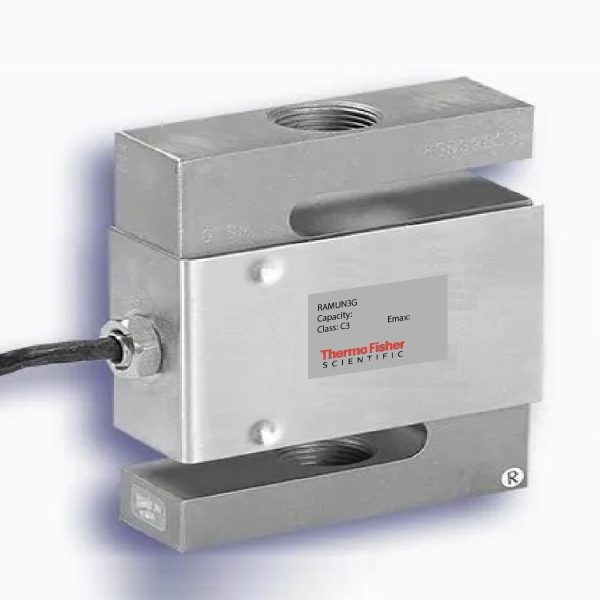
A belt weigher system continuously estimates conveyed mass by combining measured belt load with measured belt speed.
What is a Belt Weigher System?
Load cells measure the force carried by a weigh idler or weighbridge, while a speed sensor supplies belt travel. An integrator combines both signals to calculate instantaneous flow rate and accumulated total. Accuracy depends on the full mechanical installation, not only the electronics.
A complete installation is selected by function rather than product name. Mechanical action, contact behavior, reset method and environmental capability must match the monitored hazard or process condition, while the control circuit determines whether the signal becomes an indication, alarm, interlock or stop.
Typical applications
This product type is frequently considered for production accounting, process control, loading and blending, inventory reconciliation. Selection should reflect both the intended signal and the practical ability to inspect, test and replace the installed unit safely.
- production accounting: verify the actual operating condition, mounting geometry and required response before selecting a model.
- process control: verify the actual operating condition, mounting geometry and required response before selecting a model.
- loading and blending: verify the actual operating condition, mounting geometry and required response before selecting a model.
- inventory reconciliation: verify the actual operating condition, mounting geometry and required response before selecting a model.
How to select the right model
For a new application, specify geometry and response from the conveyor design. For a replacement, capture the complete old code, terminals, actuator and mounting before removal, then verify any proposed successor against the original function.
Create an equipment record containing the full model code, approved datasheet, terminal plan and selected settings. This makes quotations comparable and preserves the engineering basis for later replacement.
- Confirm the contact arrangement, utilization category and control voltage.
- Match the enclosure and ingress rating to dust, water, washdown and corrosion exposure.
- Check ambient temperature, cable entry, mounting dimensions and actuator geometry.
- For hazardous areas, verify the complete certificate and marking for the exact model.
Installation and commissioning guidance
Install the weighbridge on a stable, straight conveyor section with consistent belt tension and suitable idlers. Complete zero and span calibration under the manufacturer’s procedure and verify performance with a material test when required.
Use a rigid, low-vibration support and keep the actuator inside its specified approach and overtravel. Preserve sealing and earthing with compatible glands, then test the signal from the physical device through to the final control action.
Inspection and lifecycle care
Set maintenance frequency from risk, environment, duty and failure history. Devices that rarely operate in production still require planned proof tests because the absence of alarms does not demonstrate health.
Never bridge or restrain a protective device to maintain production. Control the affected equipment, investigate the initiating condition and restore normal service only after corrective work and a successful test.
Specification, commissioning and lifecycle record
A dependable belt weigher system decision remains traceable from the operating requirement to the installed order code. Record the normal condition, abnormal trigger, required controller state, alarm or stop response, reset rule and inspection method before requesting quotations. This prevents commercial substitutions from changing the engineering function unnoticed.
Keep the approved datasheet, complete model suffix, terminal drawing, mounting sketch, certificates and commissioning result under the equipment tag. After replacement, adjustment, conveyor modification or control-software change, repeat the relevant physical proof test and update the as-built record. The test must demonstrate the field device, wiring, controller indication and final machine response rather than only a changing PLC input.
- Compare complete order codes and option suffixes.
- Confirm contact state under normal, actuated and fault conditions.
- Record the installed clearance, angle, tension, threshold or calibration.
- Inspect mounting, cable entries, seals, earthing and access.
- Set maintenance intervals from risk, environment, duty and failure history.
Frequently asked questions
What causes belt scale zero drift?
Material buildup, changing belt tension, misaligned idlers, temperature effects, mechanical binding and speed-signal problems are common causes.
Is a test weight calibration enough?
It checks much of the measuring chain, but a controlled material test is often the strongest confirmation of total system accuracy.
Selection note: verify dimensions, operating principle, electrical data, environmental rating and certifications on the current datasheet for the exact ordered model.
What is Belt Weigher System - Loadcell
Description of weighing on a moving conveyor belt;
Flexibility is required to measure continuous, different material streams. This is a requirement which CBS conveyor belt scales meet extremely well.
The right solution for every application;
The applications include production and logistics, throughput and consumption rate measurement for production systems, internal balancing of supply and withdrawal, load limit signalling, batching at loading stations or pre-feeder control and legal-for-trade weighing. CBS belt scales are as precise as required – with accuracies of +/- 0.5% when using a dual idler belt scale.
Multi-idler belt scales:
CBS ® BMP is an dual-idler belt scale for feed rates up to approximately 15,000 t/h, whereas CBS® BMC is a multi-idler belt scale for feed rates up to around 20,000 t/h.
Single-idler belt scales:
CBS® BEM is a single-idler belt scale for feed rates up to approximately 4,000 t/h, whereas CBS® BEP is a single-idler belt scale for feed rates up to around 6,000 t/h. Finally, CBS® BED is a single-idler belt scale for feed rates up to approximately 15,000 t/h.
Flexible and maintenance-free:
Whether using standard belt widths of 500 to 2,000 mm or a customized belt width beyond normal IEV belt widths, CBS can provide the right solution for every application – solutions that are easy to plan, integratable and maintenance-free.