

Conveyor Belt Position Switch
Conveyor belt position switches confirm the location of belts, trippers, take-ups and other moving conveyor machinery.
Showing 1–24 of 39 results


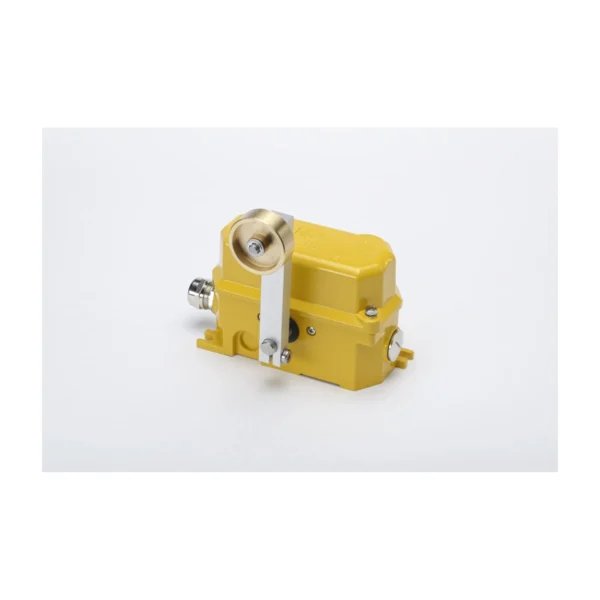
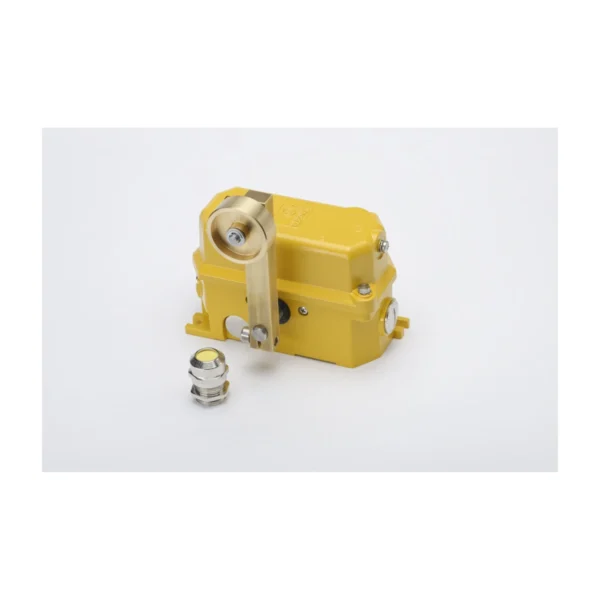


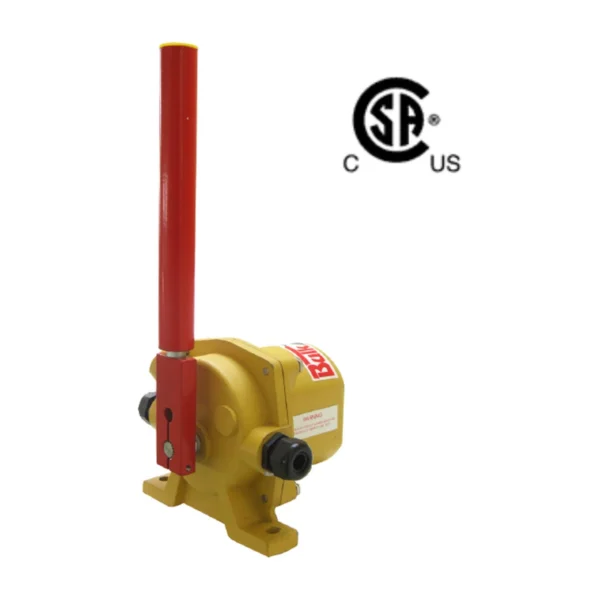

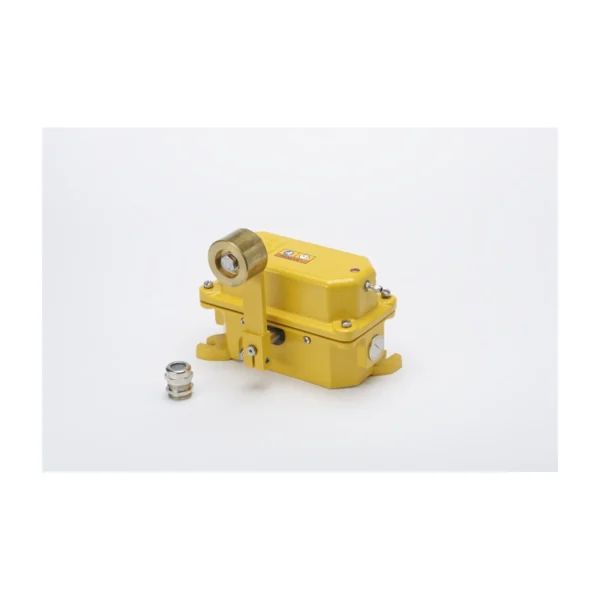
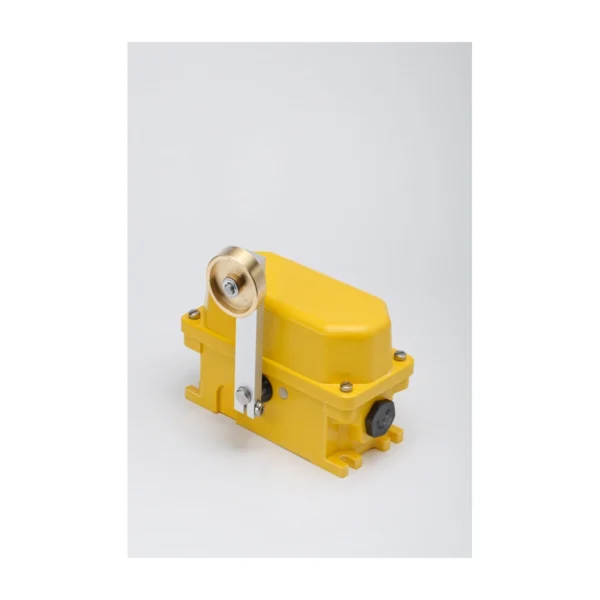
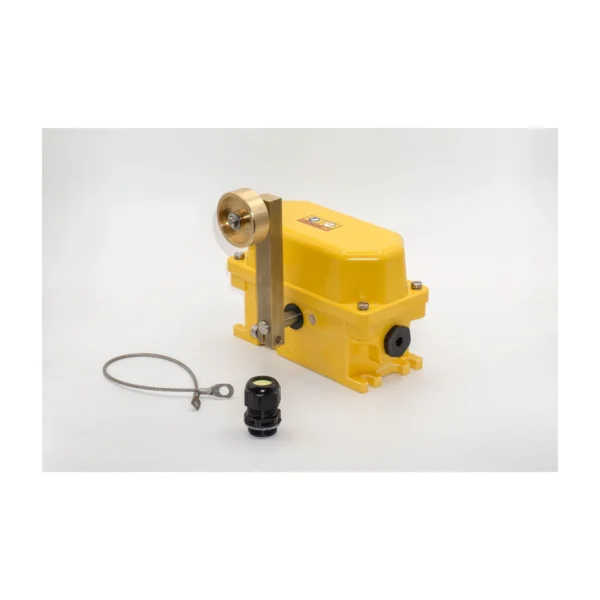

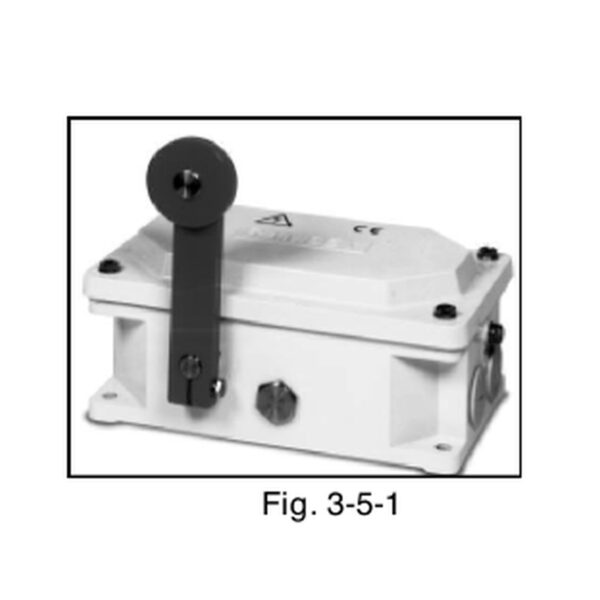
Conveyor belt position switches confirm the location of belts, trippers, take-ups and other moving conveyor machinery.
What is a Conveyor Belt Position Switch?
A roller or heavy-duty actuator is displaced by the moving component and operates internal contacts. The resulting position signal can stop travel, initiate a sequence or tell the control system that the mechanism has reached a defined point.
Before comparing models, define normal operation and the abnormal state that must be detected. The selected mechanism, electrical output and diagnostic behavior should make that distinction repeatable across load, temperature and expected process variation.
Typical applications
Relevant installations include tripper position, gravity take-up travel, stacker movement, moving chute position. Actual operating observations are valuable: drawings rarely show wind, carryback, washdown, structural movement or the way bulk material strikes a device.
- tripper position: verify the actual operating condition, mounting geometry and required response before selecting a model.
- gravity take-up travel: verify the actual operating condition, mounting geometry and required response before selecting a model.
- stacker movement: verify the actual operating condition, mounting geometry and required response before selecting a model.
- moving chute position: verify the actual operating condition, mounting geometry and required response before selecting a model.
How to select the right model
Use a compliance table to compare candidates against the same requirements. Include operating principle, range or travel, contacts, enclosure, temperature, certification and proof-test method so commercial differences do not hide technical gaps.
Include spare strategy and obsolescence handling in the selection. A physically compatible spare is only useful when its contacts, settings, materials and approvals also reproduce the required function.
- Confirm the contact arrangement, utilization category and control voltage.
- Match the enclosure and ingress rating to dust, water, washdown and corrosion exposure.
- Check ambient temperature, cable entry, mounting dimensions and actuator geometry.
- For hazardous areas, verify the complete certificate and marking for the exact model.
Installation and commissioning guidance
Mount the actuator so contact occurs repeatably over the expected mechanical tolerance. Allow safe overtravel and protect the device from direct material impact.
Carry out a controlled acceptance test under the manufacturer’s method. Confirm that reset restores readiness without an unintended start and that any startup bypass expires predictably.
Inspection and lifecycle care
Set maintenance frequency from risk, environment, duty and failure history. Devices that rarely operate in production still require planned proof tests because the absence of alarms does not demonstrate health.
If the device is damaged or its state is uncertain, replace it with a verified configuration and inspect the target or process condition that caused the damage. Like-for-like replacement alone may reproduce the failure.
Specification, commissioning and lifecycle record
A dependable conveyor belt position switch decision remains traceable from the operating requirement to the installed order code. Record the normal condition, abnormal trigger, required controller state, alarm or stop response, reset rule and inspection method before requesting quotations. This prevents commercial substitutions from changing the engineering function unnoticed.
Keep the approved datasheet, complete model suffix, terminal drawing, mounting sketch, certificates and commissioning result under the equipment tag. After replacement, adjustment, conveyor modification or control-software change, repeat the relevant physical proof test and update the as-built record. The test must demonstrate the field device, wiring, controller indication and final machine response rather than only a changing PLC input.
- Compare complete order codes and option suffixes.
- Confirm contact state under normal, actuated and fault conditions.
- Record the installed clearance, angle, tension, threshold or calibration.
- Inspect mounting, cable entries, seals, earthing and access.
- Set maintenance intervals from risk, environment, duty and failure history.
Frequently asked questions
Is a position switch the same as a belt misalignment switch?
No. A position switch normally monitors a machine or mechanism location; a misalignment switch specifically detects lateral belt drift.
Can one switch provide alarm and trip?
Models with multiple contacts can provide staged signals, but their actuation points and circuit use must be confirmed.
Selection note: verify dimensions, operating principle, electrical data, environmental rating and certifications on the current datasheet for the exact ordered model.
What is Conveyor Belt Position Switch
Completely and trustily, Conveyor Belt Position Switches monitor for possible position downfall on belt conveying systems.
Conveyor belt systems are widely used in industries to transport materials and products from one point to another. They are essential in manufacturing, mining, packaging, and many other applications. Conveyor belt systems are automated and rely on sensors and switches to ensure that they function efficiently and safely. One critical switch that plays a vital role in the conveyor belt system is the conveyor belt position switch. In this article, we will discuss the conveyor belt position switch in detail, including its functions, types, and applications.
Function of Conveyor Belt Position Switch
The conveyor belt position switch is an essential component of the conveyor belt system. Its primary function is to monitor the position and alignment of the conveyor belt. It is placed at strategic points along the conveyor belt to detect any deviation or misalignment. The switch sends a signal to the control system when the conveyor belt is out of position or deviates from its correct alignment.
Types of Conveyor Belt Position Switch
There are several types of conveyor belt position switches, each designed for specific applications. The most common types include:
- Belt Misalignment Switch: This switch is used to detect misalignment of the conveyor belt. It is installed at the top and bottom of the conveyor belt and triggers an alarm or stops the conveyor belt if there is any deviation from the correct alignment.
- Speed Switch: This switch is used to monitor the speed of the conveyor belt. It is installed at the tail end of the conveyor belt and sends a signal to the control system if the conveyor belt speed deviates from the preset speed.
- Zero Speed Switch: This switch is used to detect the absence of movement in the conveyor belt. It is installed at the head end of the conveyor belt and sends a signal to the control system if the conveyor belt stops moving.
- Pull Cord Switch: This switch is used as an emergency stop device. It is installed along the length of the conveyor belt and is connected to a cable that runs the entire length of the conveyor belt. If the cable is pulled, the switch stops the conveyor belt immediately.
Applications
Conveyor belt position switches are used in various industries and applications, including:
- Mining: In mining operations, conveyor belt position switches are used to monitor the alignment and speed of the conveyor belt, ensuring that the material is transported safely and efficiently.
- Manufacturing: In manufacturing industries, conveyor belt position switches are used to detect any deviation or misalignment of the conveyor belt, preventing damage to the products and the conveyor belt.
- Packaging: In packaging industries, conveyor belt position switches are used to ensure that the packaging materials are transported safely and efficiently, preventing any damage to the products.
- Food Processing: In food processing industries, conveyor belt position switches are used to monitor the speed and alignment of the conveyor belt, ensuring that the food products are transported safely and hygienically.
Conveyor belt position switches are essential components of the conveyor belt system. They play a vital role in ensuring that the conveyor belt functions efficiently and safely. There are several types of conveyor belt position switches, each designed for specific applications. They are used in various industries, including mining, manufacturing, packaging, and food processing. By monitoring the position and alignment of the conveyor belt, these switches help prevent damage to products and the conveyor belt, ensuring a safe and efficient transportation system.