

Rotary Limit Switch
Rotary limit switches translate shaft rotation into one or more adjustable position contacts for cranes, hoists, winches and rotating machinery.
Showing 1–24 of 50 results


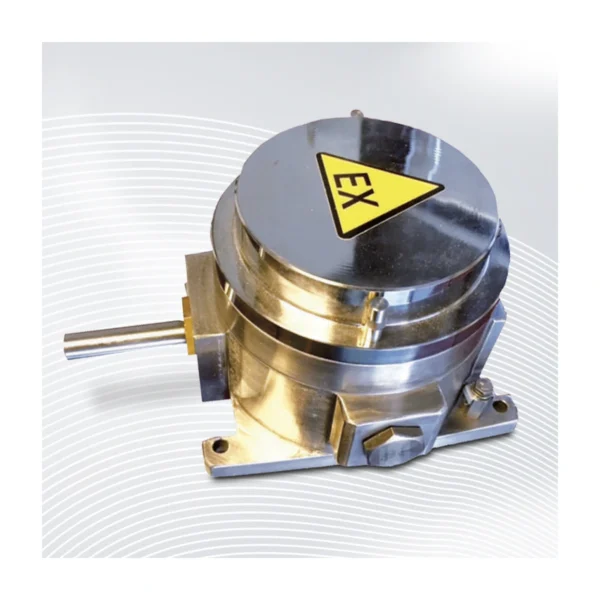

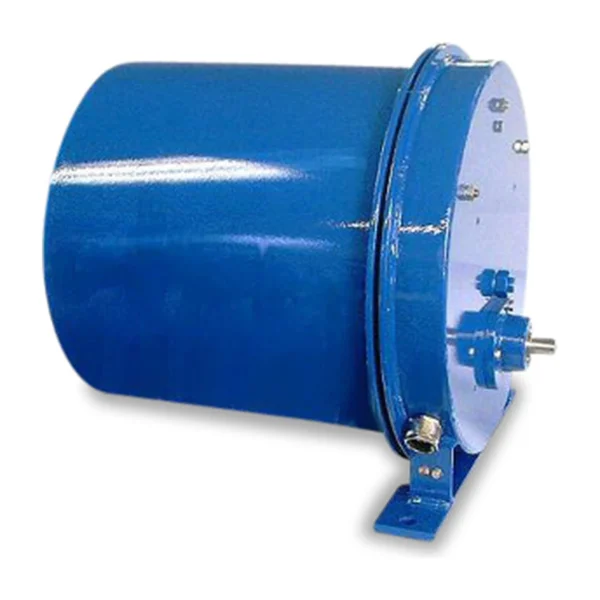

Rotary limit switches translate shaft rotation into one or more adjustable position contacts for cranes, hoists, winches and rotating machinery.
What is a Rotary Limit Switch?
A geared input shaft drives internal cams. Each cam operates a contact at a configured number of revolutions or angular position, allowing staged slowdown and final travel limits without requiring the switch to sit at the moving endpoint.
Before comparing models, define normal operation and the abnormal state that must be detected. The selected mechanism, electrical output and diagnostic behavior should make that distinction repeatable across load, temperature and expected process variation.
Typical applications
Common duties include hoist upper and lower limits, crane travel, winches, industrial doors and gates. Each location should be surveyed for material impact, buildup, access, vibration, temperature and exposure before the device and bracket are specified.
- hoist upper and lower limits: verify the actual operating condition, mounting geometry and required response before selecting a model.
- crane travel: verify the actual operating condition, mounting geometry and required response before selecting a model.
- winches: verify the actual operating condition, mounting geometry and required response before selecting a model.
- industrial doors and gates: verify the actual operating condition, mounting geometry and required response before selecting a model.
How to select the right model
Use a compliance table to compare candidates against the same requirements. Include operating principle, range or travel, contacts, enclosure, temperature, certification and proof-test method so commercial differences do not hide technical gaps.
Include spare strategy and obsolescence handling in the selection. A physically compatible spare is only useful when its contacts, settings, materials and approvals also reproduce the required function.
- Confirm the contact arrangement, utilization category and control voltage.
- Match the enclosure and ingress rating to dust, water, washdown and corrosion exposure.
- Check ambient temperature, cable entry, mounting dimensions and actuator geometry.
- For hazardous areas, verify the complete certificate and marking for the exact model.
Installation and commissioning guidance
Calculate the input revolutions across the full machine travel and select the ratio and cam range with adequate adjustment margin. Couple the shaft without excessive radial or axial load.
Set the device only after the conveyor or process is in a correct baseline condition. A protection switch should detect abnormal operation, not compensate continuously for misalignment, unstable loading or poor chute geometry.
Inspection and lifecycle care
Inspection combines condition and performance. Compare the field setting with the commissioning baseline, operate the device safely and record the input, alarm, trip and reset results under its unique tag.
Never bridge or restrain a protective device to maintain production. Control the affected equipment, investigate the initiating condition and restore normal service only after corrective work and a successful test.
Specification, commissioning and lifecycle record
A dependable rotary limit switch decision remains traceable from the operating requirement to the installed order code. Record the normal condition, abnormal trigger, required controller state, alarm or stop response, reset rule and inspection method before requesting quotations. This prevents commercial substitutions from changing the engineering function unnoticed.
Keep the approved datasheet, complete model suffix, terminal drawing, mounting sketch, certificates and commissioning result under the equipment tag. After replacement, adjustment, conveyor modification or control-software change, repeat the relevant physical proof test and update the as-built record. The test must demonstrate the field device, wiring, controller indication and final machine response rather than only a changing PLC input.
- Compare complete order codes and option suffixes.
- Confirm contact state under normal, actuated and fault conditions.
- Record the installed clearance, angle, tension, threshold or calibration.
- Inspect mounting, cable entries, seals, earthing and access.
- Set maintenance intervals from risk, environment, duty and failure history.
Frequently asked questions
How is a rotary limit switch ratio selected?
Match the machine shaft revolutions over full travel to the switch’s usable cam adjustment range, allowing margin at both ends.
Can it be the only overtravel protection?
The required architecture is determined by the risk assessment and applicable crane or machinery rules; independent final limiting may be required.
Selection note: verify dimensions, operating principle, electrical data, environmental rating and certifications on the current datasheet for the exact ordered model.
Rotary limit switch is an electromechanical device that is used to control the movement of machines or other equipment. It typically consists of a rotary actuator that rotates with the movement of the machine and a set of electrical contacts that are activated by the rotation of the actuator. The contacts are used to send signals to a controller or other control device that stops or starts the machine, depending on the position of the actuator.
How Does a Rotary Limit Switch Work?
Rotary limit switches work on the principle of a mechanical cam and follower system. The rotary actuator of the switch is connected to a cam that rotates with the movement of the machine. As the cam rotates, it comes into contact with a follower that is connected to the electrical contacts of the switch. When the cam rotates to a predetermined position, it pushes the follower, which in turn, activates the electrical contacts of the switch.
Types of Rotary Limit Switches
There are various types of rotary limit switches available in the market. Some of the most common types are:
- Standard Rotary Limit Switches: These switches are the most basic type of rotary limit switches and are used in applications where precise control is not required. They have a simple design and consist of a rotary actuator and electrical contacts.
- Heavy-Duty Rotary Limit Switch: These switches are designed for use in heavy-duty applications where the switch may be subjected to high loads or harsh environments. They have a more robust design and are typically made of high-quality materials that can withstand extreme conditions.
- Hazardous Location Rotary Limit Switches: These switches are designed for use in hazardous locations where there is a risk of explosion or fire. They are typically made of materials that are resistant to sparks and have a sealed design to prevent the ingress of flammable materials.
Applications of Rotary Limit Switches
Rotary limit switches are used in a wide range of applications in various industries, including:
- Conveyor Systems: Rotary limit switches are used in conveyor systems to control the movement of the conveyor belts. They are used to stop the conveyor when it reaches the end of the line or when there is an obstruction on the belt.
- Cranes: Rotary limit switches are used in cranes to control the movement of the crane. They are used to limit the range of motion of the crane and to prevent it from colliding with other equipment or structures.
- Machine Tools: Rotary limit switch are used in machine tools to control the movement of the cutting head or other components of the machine. They are used to ensure that the machine operates within a specific range of motion and to prevent damage to the machine or workpiece.
- Robotics: Rotary limit switches are used in robotics to control the movement of the robotic arms and other components of the robot. They are used to ensure that the robot operates within a specific range of motion and to prevent damage to the robot or other equipment.
Rotary limit switch are essential components in various industrial and automation applications. They provide precise control over the movement of machines and other equipment, ensuring safe and efficient operation. By understanding the functionality of rotary limit switch and their various types and applications, you can choose the right switch for your specific application and ensure that your equipment operates smoothly and safely.