

Speed Switch
Conveyor speed switches monitor motion so a control system can detect underspeed, overspeed, slip or a stopped shaft before the condition causes wider process damage.
Showing 1–24 of 149 results

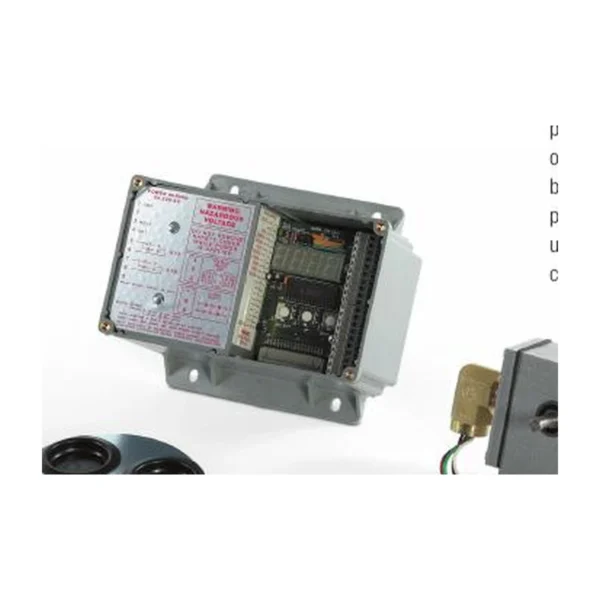
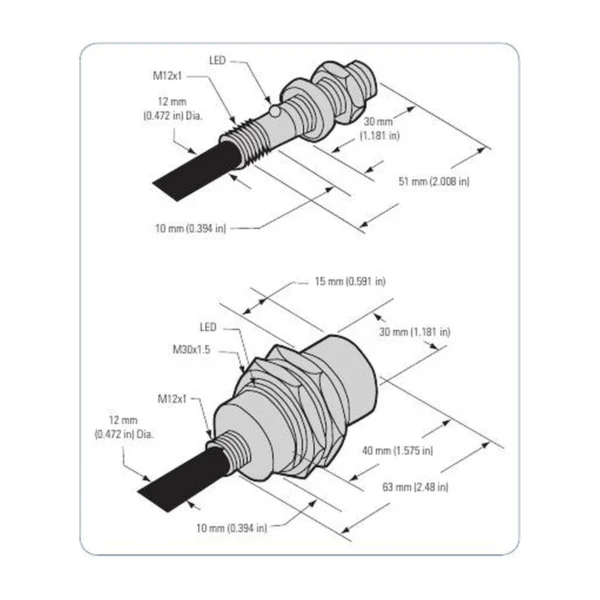

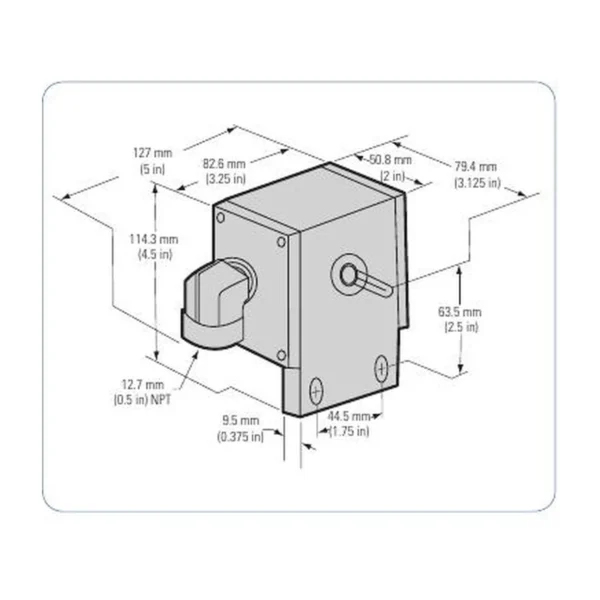

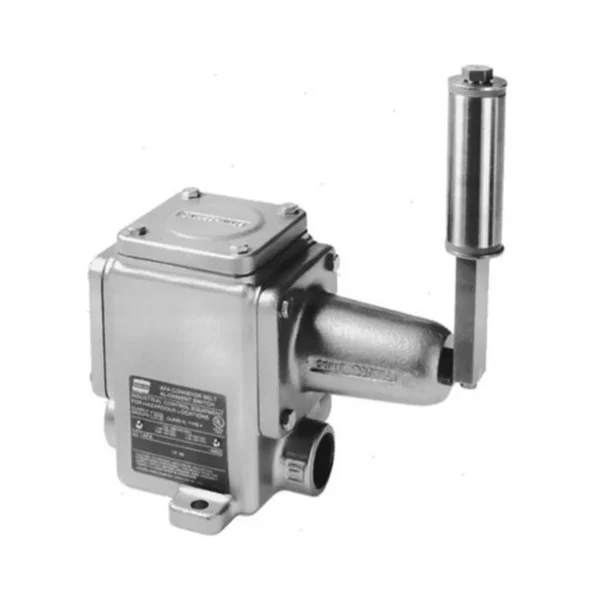
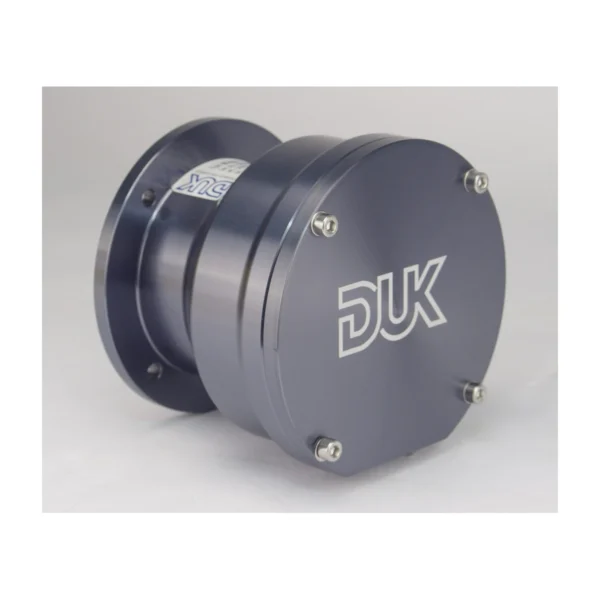
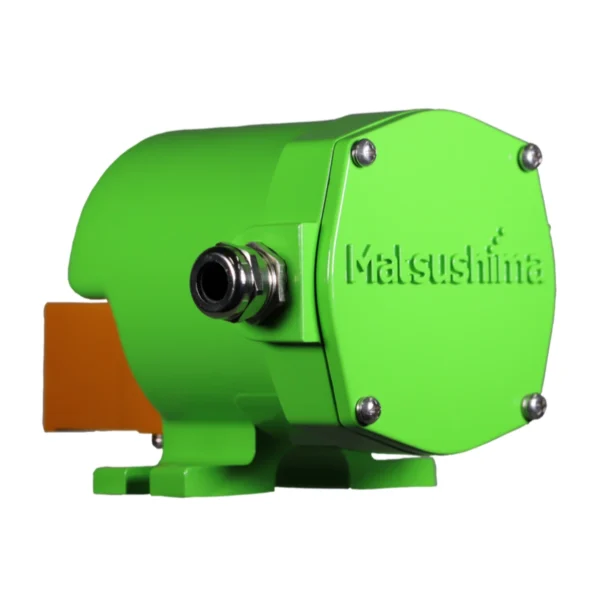
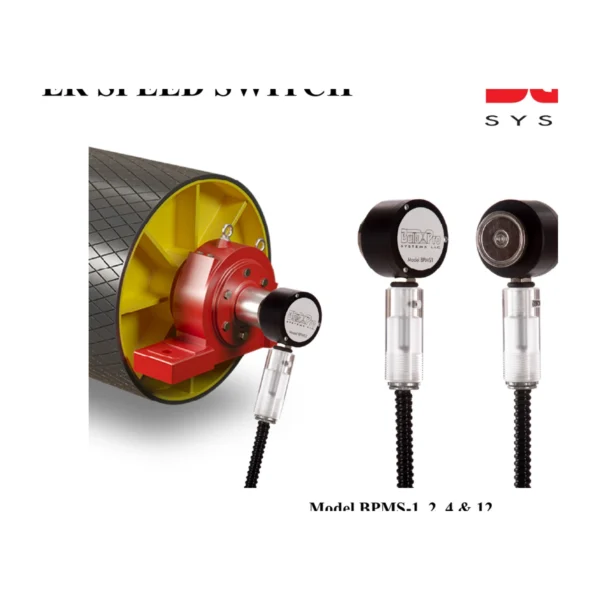


Conveyor speed switches monitor motion so a control system can detect underspeed, overspeed, slip or a stopped shaft before the condition causes wider process damage.
What is a Speed Switch?
A sensor observes a rotating pulley, shaft, target or pulse source. The monitor compares the measured pulse rate with a configured threshold and changes its output after the permitted start-up or trip delay.
The field device is one element of a larger cause-and-effect chain. Reliable engineering aligns its sensing or actuation point with controller logic, conveyor response, reset rules and the machine risk assessment instead of relying on an enclosure that merely looks familiar.
Typical applications
Application areas include belt conveyors, bucket elevators, screw conveyors, rotating process equipment. The appropriate construction can change between an indoor panel, an outdoor conveyor, a hot transfer point and a classified dust location even when the basic function is similar.
- belt conveyors: verify the actual operating condition, mounting geometry and required response before selecting a model.
- bucket elevators: verify the actual operating condition, mounting geometry and required response before selecting a model.
- screw conveyors: verify the actual operating condition, mounting geometry and required response before selecting a model.
- rotating process equipment: verify the actual operating condition, mounting geometry and required response before selecting a model.
How to select the right model
For a new application, specify geometry and response from the conveyor design. For a replacement, capture the complete old code, terminals, actuator and mounting before removal, then verify any proposed successor against the original function.
Include spare strategy and obsolescence handling in the selection. A physically compatible spare is only useful when its contacts, settings, materials and approvals also reproduce the required function.
- Confirm the contact arrangement, utilization category and control voltage.
- Match the enclosure and ingress rating to dust, water, washdown and corrosion exposure.
- Check ambient temperature, cable entry, mounting dimensions and actuator geometry.
- For hazardous areas, verify the complete certificate and marking for the exact model.
Installation and commissioning guidance
Choose a target and mounting location that represents actual conveyor movement rather than motor rotation alone. Confirm sensor gap, target count, start-up delay and trip threshold during a controlled test.
Use a rigid, low-vibration support and keep the actuator inside its specified approach and overtravel. Preserve sealing and earthing with compatible glands, then test the signal from the physical device through to the final control action.
Inspection and lifecycle care
Trend nuisance operations and slow or failed resets. Increasing event frequency often reveals a process, alignment, contamination or mounting problem before the device loses its function completely.
Any temporary bypass should be authorized, visible and time-limited under site procedure. The repair and subsequent proof test must be completed before the bypass is removed from the management record.
Specification, commissioning and lifecycle record
A dependable conveyor speed switch decision remains traceable from the operating requirement to the installed order code. Record the normal condition, abnormal trigger, required controller state, alarm or stop response, reset rule and inspection method before requesting quotations. This prevents commercial substitutions from changing the engineering function unnoticed.
Keep the approved datasheet, complete model suffix, terminal drawing, mounting sketch, certificates and commissioning result under the equipment tag. After replacement, adjustment, conveyor modification or control-software change, repeat the relevant physical proof test and update the as-built record. The test must demonstrate the field device, wiring, controller indication and final machine response rather than only a changing PLC input.
- Compare complete order codes and option suffixes.
- Confirm contact state under normal, actuated and fault conditions.
- Record the installed clearance, angle, tension, threshold or calibration.
- Inspect mounting, cable entries, seals, earthing and access.
- Set maintenance intervals from risk, environment, duty and failure history.
Frequently asked questions
What is a zero-speed switch?
It is a motion monitor configured to signal when shaft or belt speed falls below a minimum threshold, including a stopped condition.
Where should a conveyor speed sensor be mounted?
It should monitor a driven component whose movement reliably represents the belt, often a non-drive pulley or monitored shaft, subject to the manufacturer’s instructions.
Selection note: verify dimensions, operating principle, electrical data, environmental rating and certifications on the current datasheet for the exact ordered model.
Conveyor belts are widely used in many industries for transporting a variety of materials from one location to another. They are known for their reliability, efficiency, and safety. However, the speed at which a conveyor belt operates can be critical for the safety and productivity of the process. This is where the conveyor belt speed switch comes in.
What is a Conveyor Belt Speed Switch?
Conveyor belt speed switch is a device that is used to monitor the speed of conveyor belts in industrial settings. It is designed to detect any changes in the speed of the belt and send a signal to a control system to take appropriate action.
The switch is typically installed on the conveyor belt, where it can measure the speed of the belt in real-time. It is a critical safety component that can prevent accidents and damage to equipment by alerting operators of any issues with the conveyor belt speed.
How does a Conveyor Belt Speed Switch Work?
The conveyor belt speed sensor operates on the principle of a rotating shaft with a magnet attached to it. The magnet creates a magnetic field that is detected by a sensor. As the shaft rotates, the sensor detects the changes in the magnetic field and sends a signal to the control system.
The control system can be programmed to take different actions depending on the signal received from the speed switch. For example, if the belt speed exceeds a certain threshold, the control system may stop the belt or sound an alarm to alert operators of the issue.
Why is a Conveyor Belt Speed Switches Important?
A conveyor belt speed switch is an essential safety feature for any conveyor belt system. It can prevent accidents and damage to equipment by detecting any issues with the belt speed and alerting operators to take appropriate action.
For example, if the belt speed exceeds the maximum safe limit, it can cause the material being transported to spill off the conveyor belt, creating a hazardous situation for workers. On the other hand, if the belt speed is too slow, it can cause a backlog in the production process, leading to downtime and lost revenue.
A conveyor belt speed switch can also help to optimize the performance of the conveyor belt system. By monitoring the speed of the belt, operators can identify any inefficiencies in the process and make adjustments to improve productivity and reduce costs.
In addition, a conveyor belt speed switch can help to extend the lifespan of the conveyor belt and other equipment. By detecting any issues with the belt speed early on, operators can take corrective action to prevent damage to the belt and other components of the system.
In conclusion, a conveyor belt speed sensor is a critical safety feature for any conveyor belt system. It can detect any changes in the belt speed and alert operators to take appropriate action to prevent accidents and damage to equipment.
By monitoring the speed of the belt, operators can also optimize the performance of the system and reduce costs. Ultimately, investing in a conveyor belt speed switch can help to improve the safety, productivity, and profitability of your industrial process.